
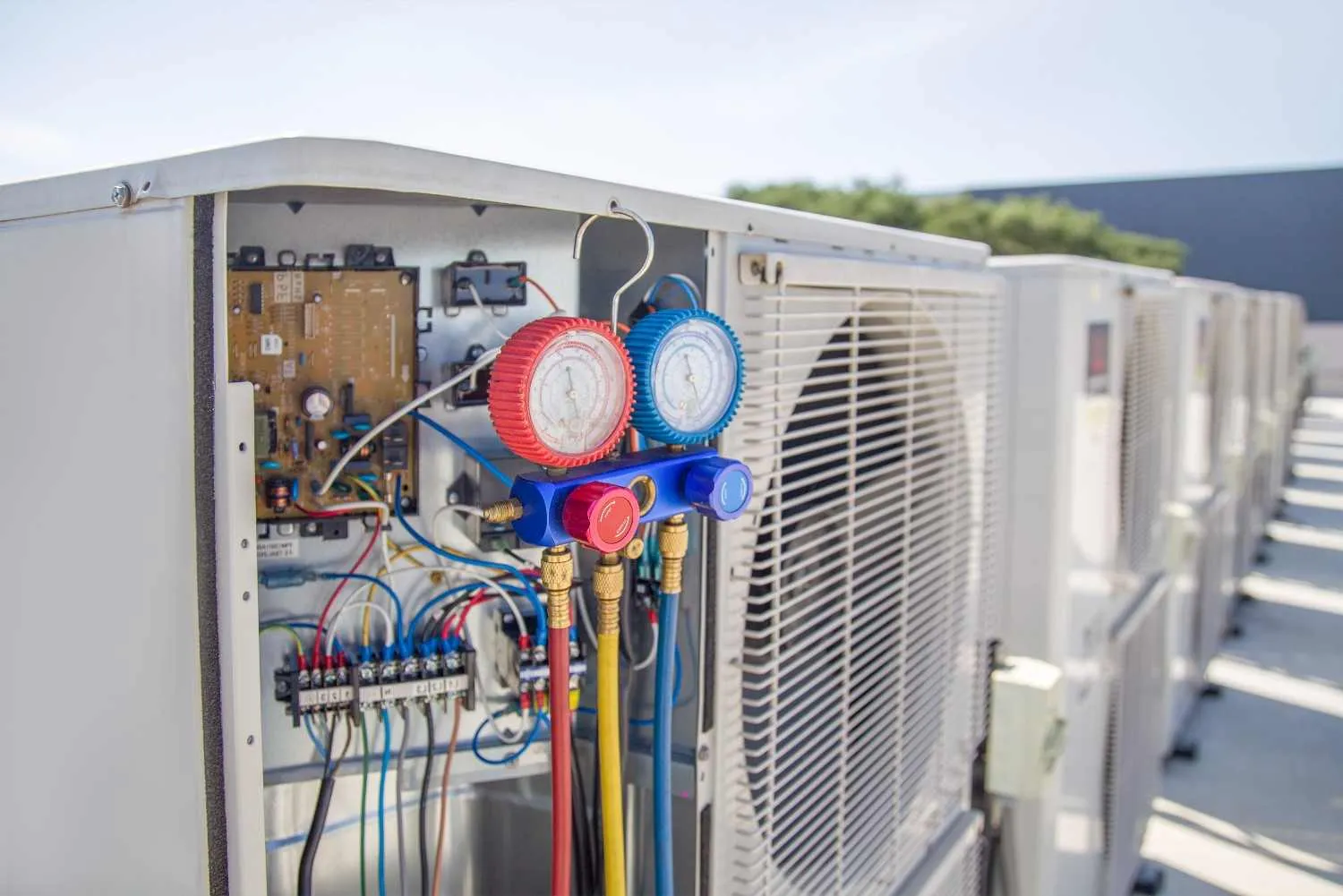

Heating & Cooling
 Ask about ductwork
A home warranty can help repair or replace a listed system or appliance when it wears out from normal use. The plan's terms decide what counts, so this is a good place to look closer first.
 Systems
Most people look up home warranties the day the dryer stops spinning. That is a hard time to sort through terms. I built JazelHouse so you can learn how coverage tends to work while the house is quiet, then come back when you need it.

Systems run through the whole house. Appliances sit in one room.

Coverage is usually tied to parts that wear out with normal use.
Each plan writes its own list. Here is what to look for.
Ask about ductwork
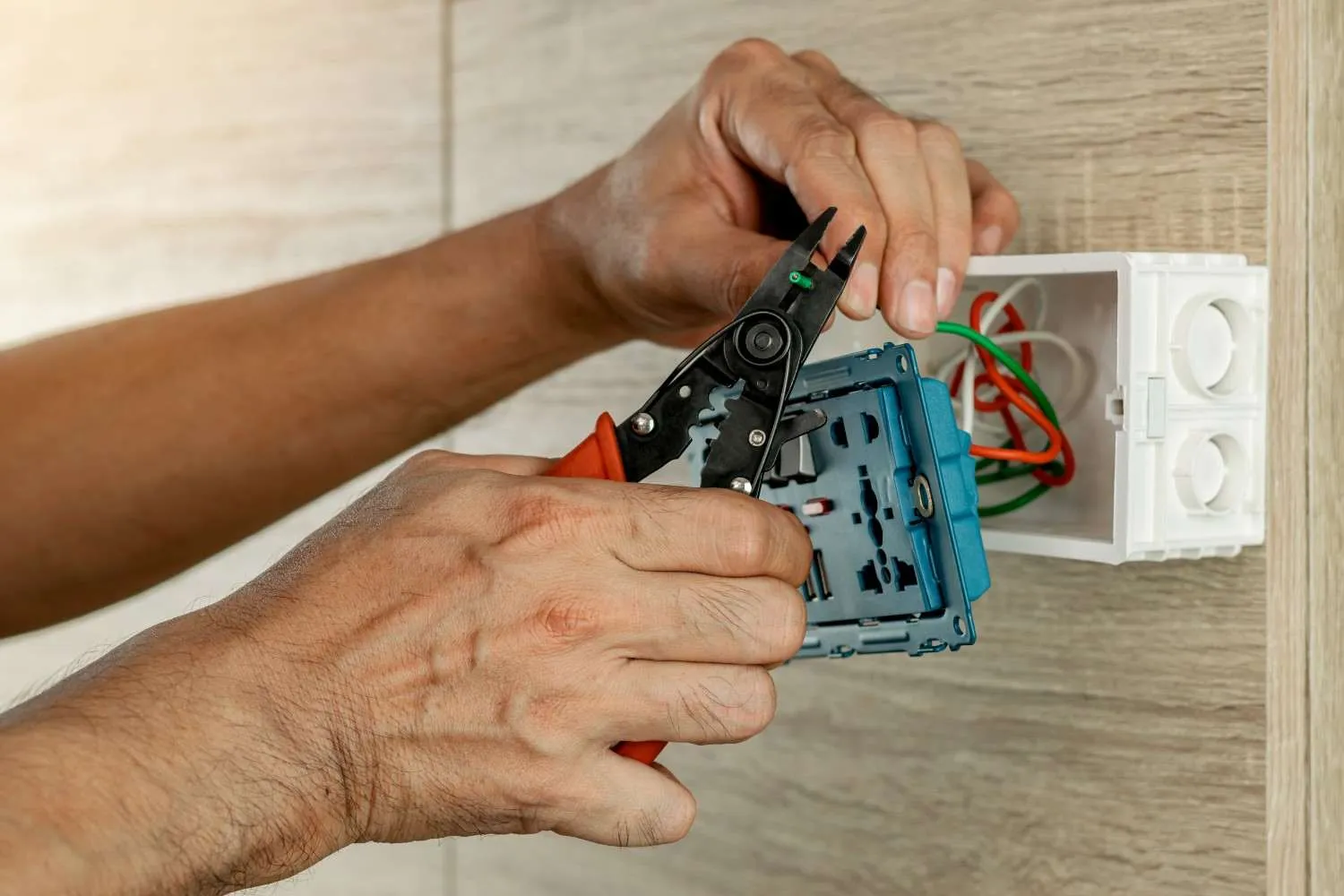

Ask about the main panel
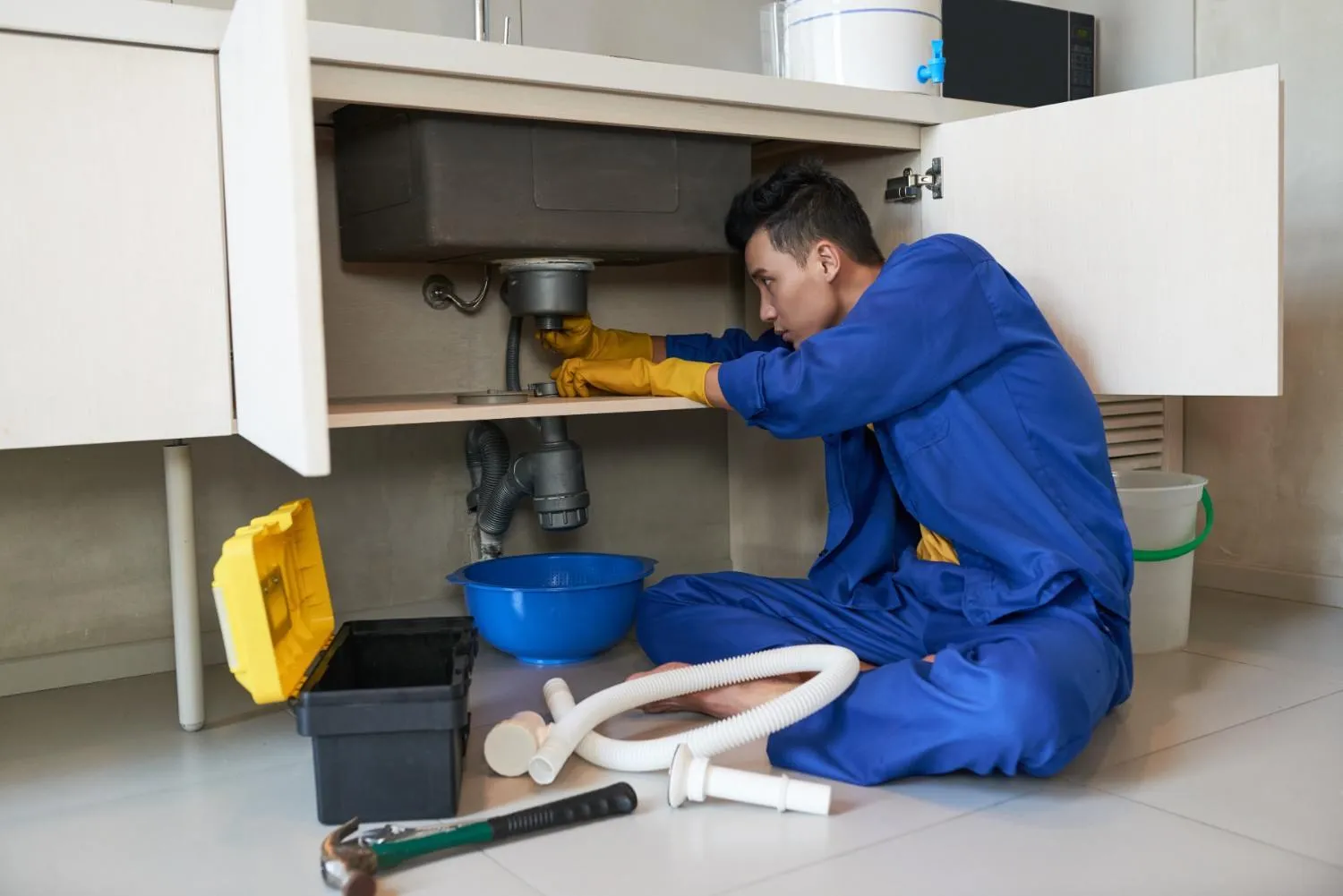

Ask about stoppages
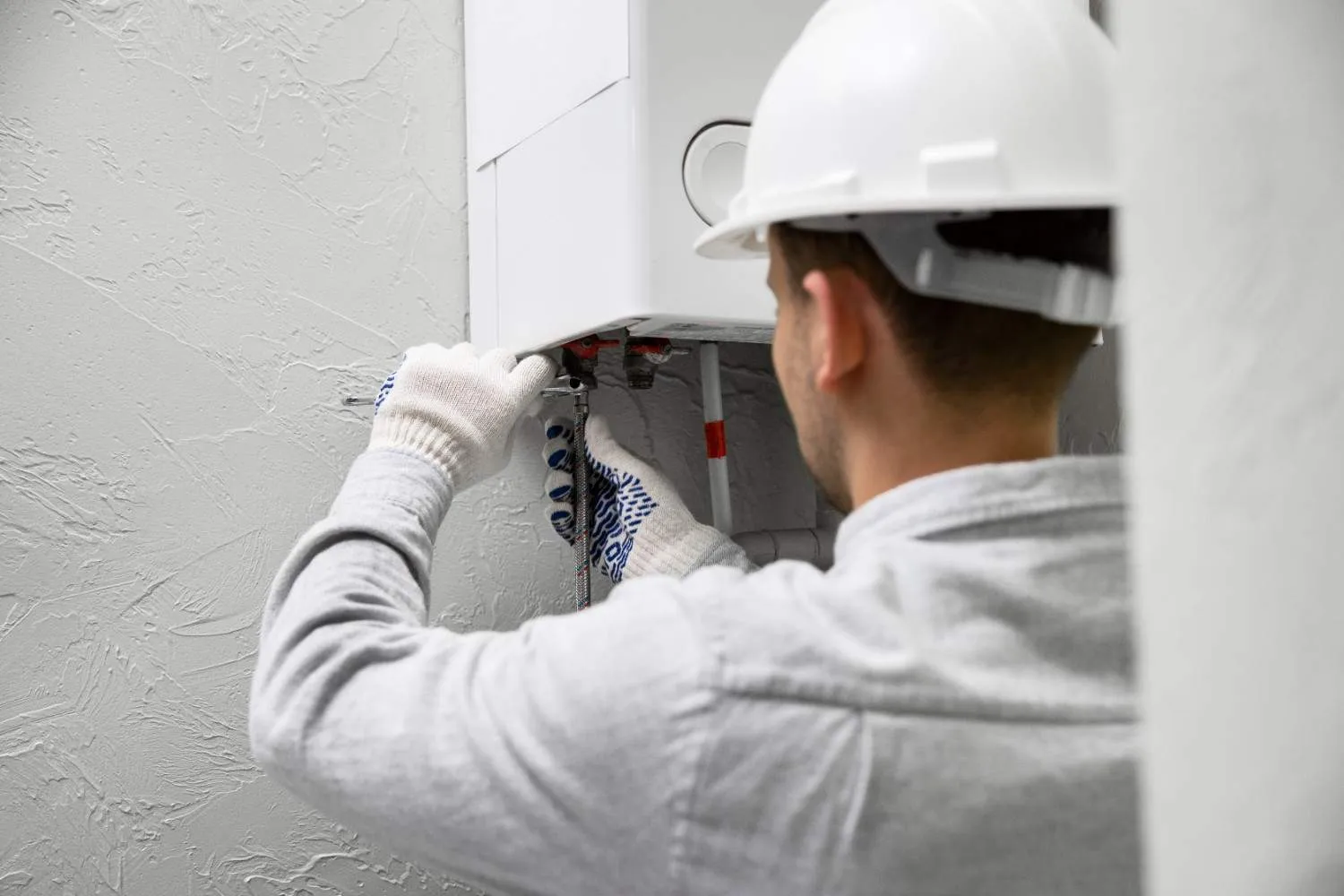

Ask about tank size
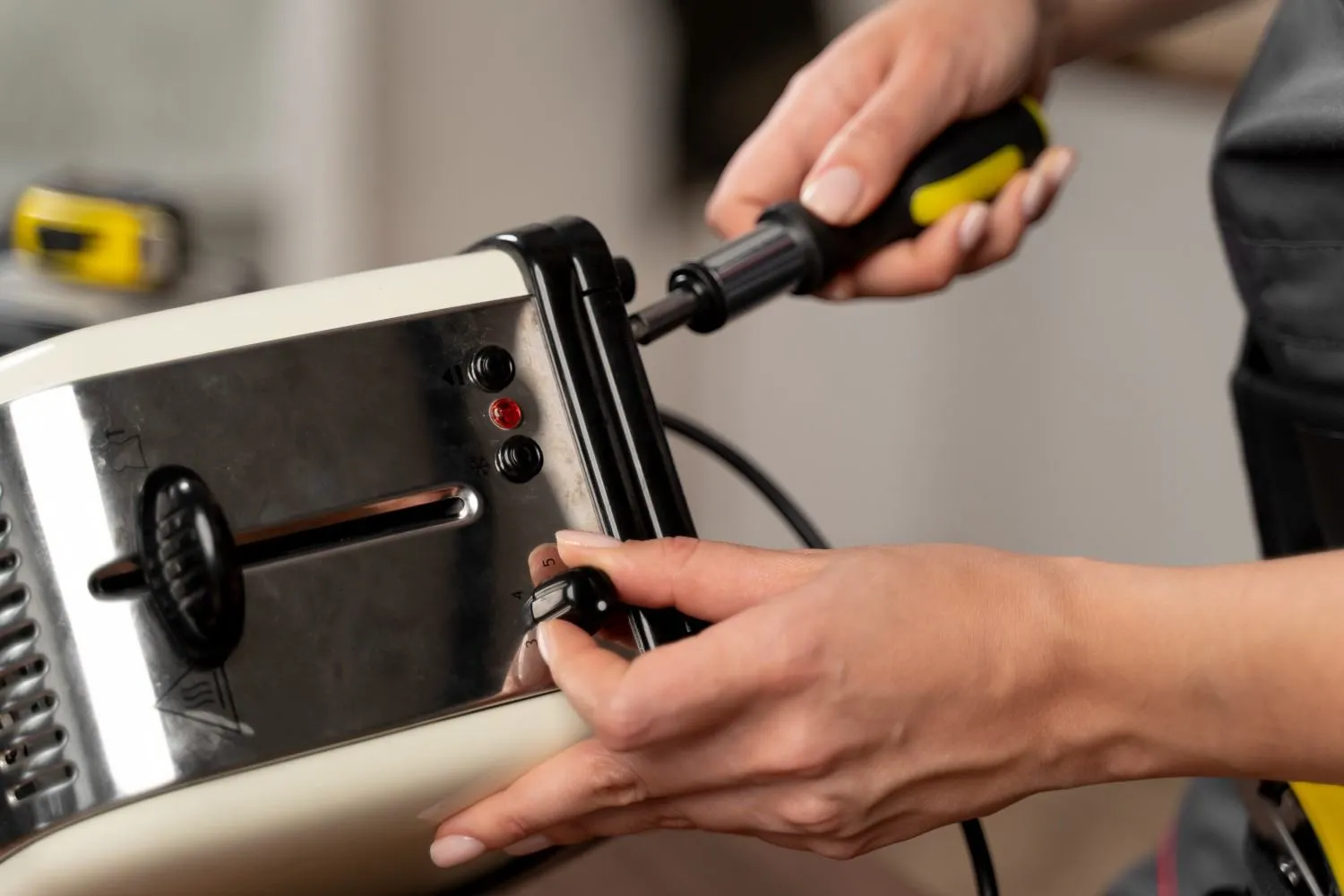

Ask about built-in units


Ask about stacked pairs
Furnaces and fridges rarely give notice. Set up cover now, while every room in the house still works.
Get Cover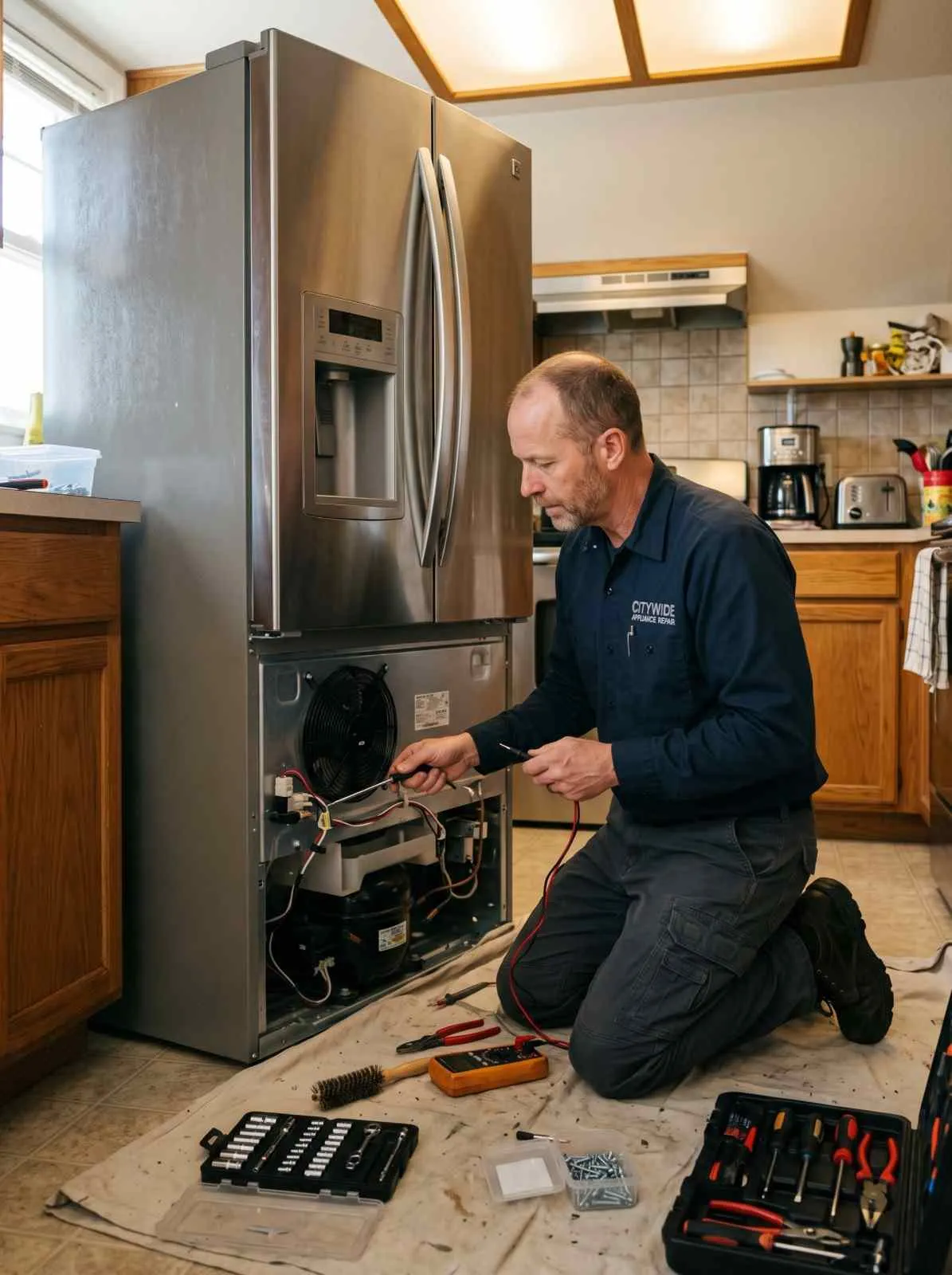
A plan is easier to judge on a normal Tuesday than in a cold house at night. These two quick checks tell you a lot about how a plan fits your home.

Some terms ask for proof of regular care.

Older units may be handled in their own way.


Short answers to the home warranty questions that come up most. Your own plan's terms always have the final word.
Get StartedIt can help with repair or replacement of listed systems and appliances that break down from normal wear. The plan's list decides what is included.
Many plans accept older units that still work when coverage starts. Look for the part of the terms that explains how age is handled.
Problems that started before coverage, poor installs, rust and cosmetic damage are common exclusions. Code upgrades can be left out too.
Most plans have a short wait after signup before requests can start. A breakdown during that window is usually not included.
The terms usually set this, not the homeowner. A unit may be repaired more than once before a replacement is looked at.
Find out where requests go and what details you need, such as the model number and what went wrong. Having those ready keeps things simple.